The world of bodybuilding has witnessed numerous transformations, from its humble beginnings in the early 20th century to the mainstream fitness culture we see today. Ronnie Coleman, one of the most iconic figures in the sport’s history, is just one example of how bodybuilding has evolved. His success in competitions like Mr. Olympia has shaped the direction of professional bodybuilding, but his story is only a part of a much larger narrative. This article will delve into the history of bodybuilding, its cultural impact, the training and nutrition regimes that shape elite athletes, and the ongoing relevance of bodybuilding in the modern fitness world.
The Origins of Bodybuilding
Bodybuilding, as a concept, traces its origins back to the late 19th and early 20th centuries. The emergence of physical culture during this time was largely inspired by the ideals of classical strength and physique aesthetics. As the 20th century progressed, the concept of developing one’s body for both strength and beauty took root, eventually leading to the formation of organized competitions and fitness-focused communities. The first significant moment in bodybuilding came with the establishment of the Mr. Olympia competition in 1965, a key event that would shape the competitive landscape for decades to come.
The Pioneers of Bodybuilding
In the early days, bodybuilding was dominated by figures such as Eugen Sandow, who is often considered the father of modern bodybuilding. Sandow’s exhibitions of strength and muscular development caught the public’s imagination, setting the stage for a cultural shift towards bodybuilding. His work with promoting physical fitness and showcasing the aesthetic value of muscle development laid the foundation for future competitions.
However, it was Arnold Schwarzenegger’s entry into the world of bodybuilding in the 1970s that truly popularized the sport on a global scale. His seven victories at Mr. Olympia not only marked a peak in the sport’s competitiveness but also helped to bring bodybuilding into mainstream American culture. Schwarzenegger’s crossover into Hollywood further cemented the cultural influence of bodybuilding during this period.
The Rise of Modern Bodybuilding
While Schwarzenegger’s fame made bodybuilding a household name, it was the athletes of the 1990s and 2000s, including Ronnie Coleman, who would push the sport into new realms of size and strength. Coleman, with his eight Mr. Olympia titles, became a symbol of extreme dedication and the pursuit of perfection in the sport. His approach to bodybuilding emphasized heavy lifting and relentless training, a mentality that reshaped how athletes would approach the discipline.
The Physical Transformation of Bodybuilding
The physical expectations for competitive bodybuilders have grown substantially over the years. Today, the ideal physique in bodybuilding is one that combines extreme muscularity with sharp definition. This has led to a shift in training regimens, where the emphasis has increasingly been placed on intensity and volume. Bodybuilders now follow strict training programs that involve heavy lifting, isolation exercises, and extensive cardio routines designed to sculpt every muscle group to perfection.
Muscle hypertrophy, or the enlargement of muscle fibers, is the ultimate goal of bodybuilding. Over the decades, scientists and trainers have refined techniques to optimize muscle growth, including advanced periodization methods, which cycle through periods of high intensity, volume, and recovery. These principles have enabled athletes to gain muscle mass at an unprecedented rate, leading to the large, defined physiques seen in today’s competitions.
Nutrition and Supplementation
The role of nutrition in bodybuilding cannot be overstated. In the early days of bodybuilding, athletes followed relatively simple diets that were designed to increase caloric intake to fuel growth. However, modern bodybuilders adopt more complex nutritional strategies that take into account macronutrient ratios, meal timing, and supplement use.
Protein, in particular, has been highlighted as the cornerstone of muscle development, with athletes consuming large amounts of protein-rich foods or supplements like whey protein to support muscle repair and growth. In addition, the use of creatine, branched-chain amino acids (BCAAs), and pre-workout supplements has become standard among competitive bodybuilders. These supplements aim to enhance performance during training sessions, promote recovery, and ensure muscle maintenance during periods of caloric restriction or intense training.
The Influence of Bodybuilding on Fitness Culture
Bodybuilding’s impact on broader fitness culture is profound, influencing how millions of people view exercise and health. The pursuit of an ideal physique through bodybuilding training has made its way into gyms around the world, where individuals, whether aspiring bodybuilders or casual fitness enthusiasts, follow similar workout routines. As a result, bodybuilding principles such as progressive overload, muscle isolation, and periodization have become foundational in modern fitness training.
The Rise of Gym Culture
One of the most significant shifts in the fitness world has been the rise of gym culture. Bodybuilding played a pivotal role in the development of commercial gyms, as the need for specialized equipment to train muscles effectively became apparent. The development of equipment such as squat racks, dumbbells, and machines for targeting specific muscle groups allowed for a more efficient approach to building muscle mass and strength.
Today, gym memberships are one of the most common ways people engage in fitness, and many of these gyms are designed with bodybuilders in mind, offering a variety of weights and machines to support their training. While gym culture has become more inclusive, allowing for a wider range of fitness goals beyond just bodybuilding, the influence of bodybuilding training principles remains strong.
The Media and Bodybuilding
The proliferation of bodybuilding in media has also been a driving force in its popularity. Magazines, documentaries, and television shows have all played a part in promoting the sport. Arnold Schwarzenegger’s “Pumping Iron” documentary, for example, brought the world of bodybuilding into the public consciousness, providing insight into the intense training routines and the discipline required to succeed at the highest levels.
In more recent years, social media has become an important platform for bodybuilders and fitness influencers. Athletes like Ronnie Coleman, who once had a primarily physical presence in competitions, now reach millions of followers online, sharing their training tips, personal stories, and motivational messages. The internet has allowed bodybuilding culture to evolve, with online communities discussing everything from the latest training techniques to supplement reviews.
Bodybuilding Today and Its Challenges
As bodybuilding continues to grow in popularity, it faces new challenges, particularly in terms of its relationship with health and safety. The extreme nature of the sport, with its emphasis on high-volume lifting and achieving an ultra-muscular physique, often leads to concerns about the long-term effects on athletes’ health.
The Dark Side of Bodybuilding
While bodybuilding remains a highly respected sport, it is not without its controversies. One of the most significant concerns in modern bodybuilding is the use of anabolic steroids and other performance-enhancing drugs (PEDs). Many athletes, past and present, have been open about their use of these substances to enhance muscle growth and strength. The pressure to achieve a physique that meets the ever-growing standards of size and definition can lead some athletes to take risks with their health in order to compete at the highest levels.
The risks associated with PED use, including liver damage, cardiovascular disease, and hormonal imbalances, are significant, and there is ongoing debate about how these substances affect the integrity of the sport. In response, some organizations within the bodybuilding community have introduced drug-testing policies, though the effectiveness of these measures remains a point of contention.
The Mental and Physical Toll
In addition to the physical demands, bodybuilding takes a significant mental toll on athletes. The constant pressure to maintain an optimal physique can lead to issues such as body dysmorphia, where athletes become obsessed with their appearance and perceive themselves as less muscular than they are. This condition can have serious psychological effects, including anxiety, depression, and an unhealthy relationship with food.
Bodybuilders often undergo extreme dieting phases, especially leading up to competitions, which can contribute to disordered eating behaviors. The cycle of bulking and cutting—gaining mass in the offseason and then losing fat before a competition—can be both physically and mentally exhausting.
The Future of Bodybuilding
Looking ahead, the future of bodybuilding will likely be shaped by advancements in training, nutrition, and technology. As more research is conducted into the science of muscle growth, new training methods and supplements will emerge, helping athletes push the boundaries of what is physically possible. Technology also plays a growing role, with innovations like wearable devices that track progress and virtual reality platforms for fitness coaching becoming more integrated into training regimes.
Additionally, as bodybuilding continues to influence the broader fitness culture, we may see even more people engaging with the sport recreationally. While the path to professional bodybuilding will remain demanding, the accessibility of bodybuilding principles, such as strength training and muscle building, will continue to be a valuable part of the fitness journey for many.
Conclusion
Bodybuilding has come a long way since its early days, evolving from a niche activity to a mainstream fitness culture that influences millions of people worldwide. The sport has experienced significant changes in its training methodologies, nutrition strategies, and cultural impact. While figures like Ronnie Coleman have played an essential role in shaping the competitive aspect of bodybuilding, the sport itself is part of a much larger movement that continues to inspire people to push the limits of physical strength and aesthetic achievement.


 When selecting the best affiliate program software for your service the first decision that you have to make is whether or intend to host and also handle it on your own or undergo a third event. Both of these options have their very own special benefits and also downsides, so it is necessary to consider which one will best fit you over time. While you can always alter your mind, it can confirm to be a problem for any kind of Affiliates that you have actually hired, so if possible, you need to make the appropriate choice the very first time. Right here is a more detailed check out both types of affiliate program software to help you choose which one is best.



 The scale of this has actually led to the appropriate coining of the term ‘Big data.’ The outright volume and range of usually running can be overwhelming for Big data Analytics Company, which are under stress more than ever to take enlightened choices and respond in quick time. So, just how can businesses have to decide? This is where Big Data analytics action in.
 There is no doubt that Instagram has become a social titan with over 250 million active regular monthly users. Whether you are simply beginning on Instagram, or have been on it for a couple of years, there is one concern that is always there. Right here are some tips below that will certainly help you increase your following and help you develop a huge Instagram following. This might sound simplified but this is the starting factor of your follower development. If you are a company, make certain your Instagram take care of is noticeable on your web site and also do not be scared to include it to your email signature. By doing this, you make yourself available to your consumers and you gain followers that are genuinely curious about what you need to claim.



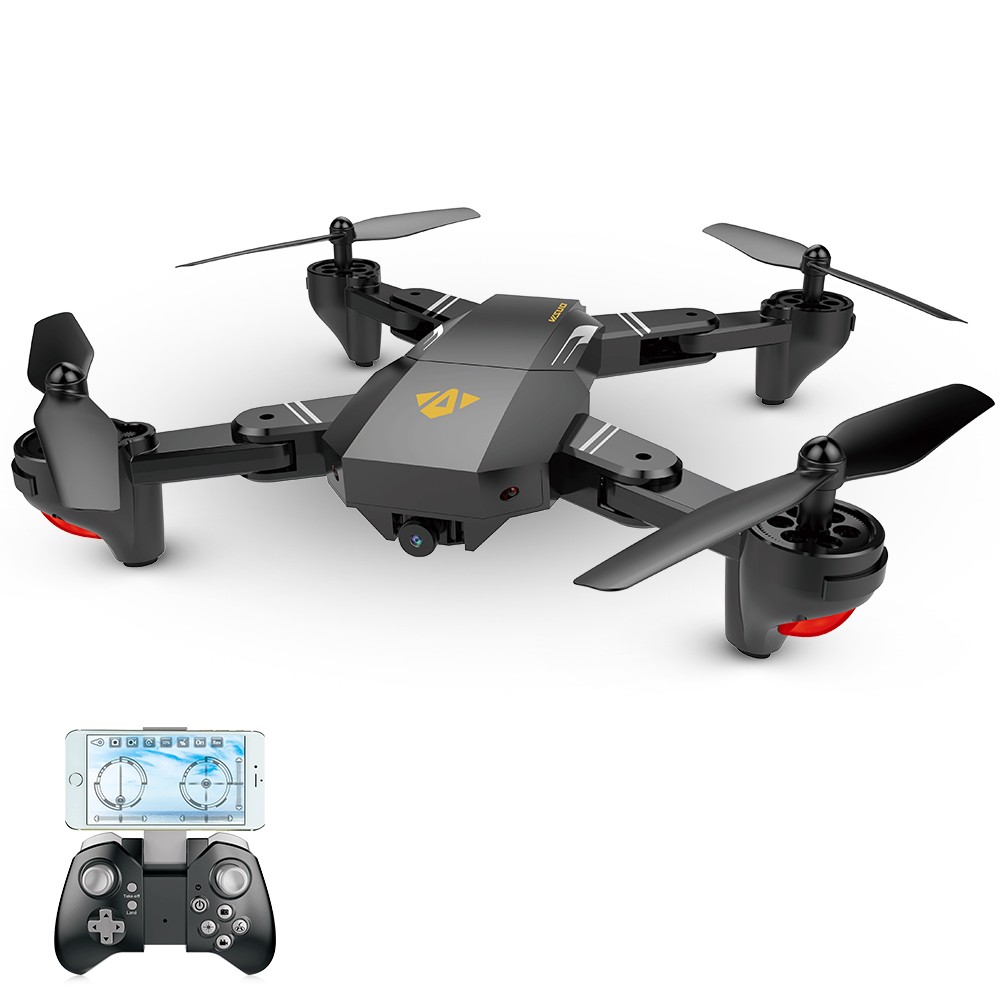 Contrasted with the substantial measurement RC ramble, the clear preferred standpoint of the ultra Selfie drones is that it very well may be flown for all intents and purposes anyplace. To puts it basically, the selfie ones help open air and indoor flight. This is a standout amongst the most imperative reasons that we pick the smaller scale RC ramble. By the by, it similarly has a frail point that it doesn’t bolster exceptionally prolonged stretch of time trip. In this short article, I will uncover you another item. It is called Machine E010 Selfie. Furthermore, this short article involves four features, comprising of appearance designs and projects, work, push-catch control and battery.